

Applying for business credit is one of the primary solutions for companies looking to grow, whether on a small or large scale. With access to credit, businesses can increase production capacity, expand operations, or manage cash flow more effectively.
However, applying for credit is not a process that should be taken lightly. Various factors must be considered to ensure loan approval and prevent financial burdens in the future.
5 Key Factors for a Successful Business Credit Application
To obtain loans more easily and under favorable terms, companies must carefully prepare before applying for credit.
Below are the five main factors that determine the success of a business credit application, along with strategies to overcome credit access limitations so that operations can continue smoothly.
1. Assessing Financial Health Before Applying for Credit
Before applying for credit, companies must ensure that their financial condition is stable enough to take on a loan. Banks and financial institutions will evaluate the company’s financial statements to determine whether the business has the ability to repay the loan on time.
One of the key indicators assessed is the Debt Service Coverage Ratio (DSCR), which measures a company’s ability to repay debt. The higher this ratio, the greater the chances of loan approval.
Additionally, many companies make financial planning mistakes, such as applying for loans beyond their repayment capacity or lacking a clear cash flow projection. Therefore, before submitting a loan application, businesses should develop a solid financial strategy and ensure that the loan is taken for actual business needs, rather than simply covering temporary operational deficits.
2. Understanding the Right Type of Credit for Business Needs
Not all types of credit are suitable for every business. It is essential to understand the available credit options and select the one that best aligns with business objectives.
In general, there are two main types of business credit:
- Working Capital Loans, used to finance daily operational needs, such as purchasing raw materials or paying employee salaries.
- Investment Loans, intended for long-term business expansion, such as purchasing machinery, opening new branches, or upgrading production facilities.
Each type of credit has its own advantages and disadvantages. Working capital loans typically have shorter tenures and must be repaid in a shorter period, whereas investment loans tend to have longer terms with lower interest rates.
Choosing the wrong type of credit can lead to financial burdens that do not align with the company’s situation. Therefore, before applying for a loan, businesses should evaluate whether they need funds for daily operations or long-term investments and consider how the loan will impact their financial health in the future.
3. Ensuring the Company’s Credit Score is in Good Condition
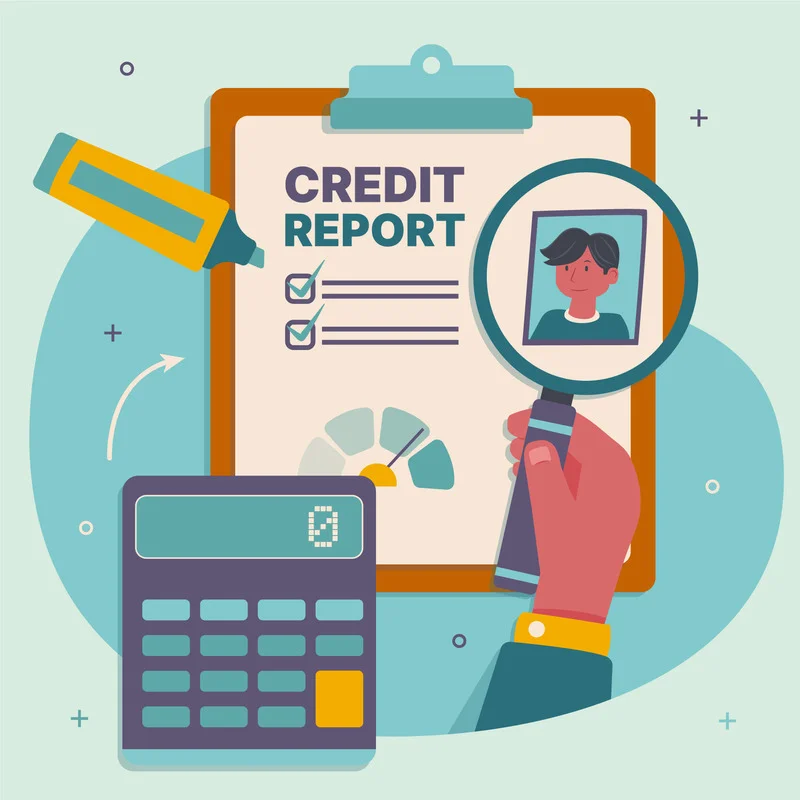
Score Credit (Source: Freepik)
One of the main factors determining the success of a credit application is the company’s credit score. This score reflects the business’s payment history and financial health, which are key considerations for banks when approving or rejecting loan applications.
Several factors can influence a company’s credit score, including:
- Consistency in paying bills on time.
- A healthy debt-to-income ratio.
- A good credit history, without defaults or late payments.
- The company’s operational duration and business stability.
If a company has a poor credit score, its loan application is likely to be rejected or approved with higher interest rates. To avoid this, businesses should regularly check their credit reports, manage cash flow effectively, and ensure all financial obligations are paid on time.
4. Overcoming Challenges and Limitations in Credit Applications
Not all companies have easy access to credit. Some common challenges when applying for loans include:
- A poor credit history, such as previous late payments.
- Lack of collateral, which is often a key requirement for banks to approve loans.
- Incomplete or non-transparent financial documents, making it difficult for banks to conduct evaluations.
If a company faces limitations in obtaining credit, several solutions can be considered:
- Improving the credit score before applying for a loan by ensuring all financial obligations are paid on time.
- Exploring alternative financing options, such as loans from fintech lenders or non-bank financial institutions with more flexible requirements.
- Using credit data management services, such as those offered by Credit Bureau Indonesia (CBI), to accurately assess the business’s financial condition and enhance its credibility in the eyes of lenders.
By understanding existing challenges and taking steps to address them, companies can increase their chances of securing loans with more favorable terms.
5. Choosing the Right Financial Institution for Credit Applications

Lembaga Keuangan (Source: Freepik)
After ensuring financial readiness and a good credit score, the next step is to choose the right financial institution. Currently, companies have several options for obtaining loans, such as:
- Conventional Banks, which offer competitive interest rates but often have stricter application processes.
- Fintech Lending, which is more flexible in requirements but may have higher interest rates.
- Cooperatives or Non-Bank Financial Institutions, which offer loans with simpler systems but have credit limit restrictions.
Before selecting a financial institution, companies should research its reputation, interest rates, loan terms, and additional fees. Utilizing services from Credit Bureau Indonesia (CBI) can also help assess the credibility of financial institutions and ensure that decisions align with business needs.
Ensure Your Credit Decisions Are Safer and More Accurate
Applying for business credit can be a strategic step in growing a company, but it can also become a pitfall if not planned properly. Therefore, before applying for a loan, companies must ensure they have a healthy financial report, choose the right type of credit, maintain a good credit score, and understand the risks and limitations of credit.
To ensure that your company meets all the necessary criteria for a credit application, use the financial information services from Credit Bureau Indonesia (CBI). With its extensive credit data network, CBI can help your business evaluate its credit score, understand potential risks, and gain access to the best credit providers with more favorable terms.
Don’t Make Financial Decisions Without Clear Data
Find out your company’s credit score now, increase your chances of getting a loan with the best terms, and avoid unnecessary financial risks. Credit Bureau Indonesia (CBI) is ready to assist you.
Check your business credit report now and make smarter decisions. Visit the official CBI website or contact us directly for the best financial solutions.
Related Articles
How can we help?
Connect with our Business Development team and we’ll help you to find the right solutions that suitable to your business needs.