For many Small and Medium Enterprises (SMEs), limited capital is a major challenge in expanding their business. SME loans provide a solution for businesses looking to accelerate expansion, increase production capacity, and expand market reach. With the right financing, SMEs can use these loans as working capital to support daily operations, open new branches, or invest in product development and marketing.
However, taking out a loan is not just about securing additional funds. SMEs must understand how to manage their loans effectively to prevent financial burdens. Without careful financial planning, loans can hinder business growth if not used wisely. Therefore, SMEs need to understand the application requirements, the types of loans available, and strategies to maximize the benefits of their financing.
Key Requirements for SMEs to Apply for a Loan

Kredit Usaha Kecil (Source: Freepik)
Not all SMEs can immediately qualify for a loan. Financial institutions and banks have specific criteria to assess business feasibility before approving loan applications. Here are the main requirements SMEs need to meet to increase their chances of loan approval:
1. Clear Business Legality
Legal business documentation is one of the key factors in the approval process. SMEs with official documents such as a Business License (SIUP), Taxpayer Identification Number (NPWP), and Business Identification Number (NIB) have a higher chance of loan approval, as they are recognized as legitimate and trustworthy entities.
2. Healthy Financial Statements
In addition to legal documentation, financial stability is crucial in the evaluation process. Well-maintained financial records demonstrate a business’s ability to repay its loans. Banks assess cash flow statements, profit and loss reports, and other financial ratios to determine if the business can handle the proposed loan repayments.
3. Good Business Credit Score
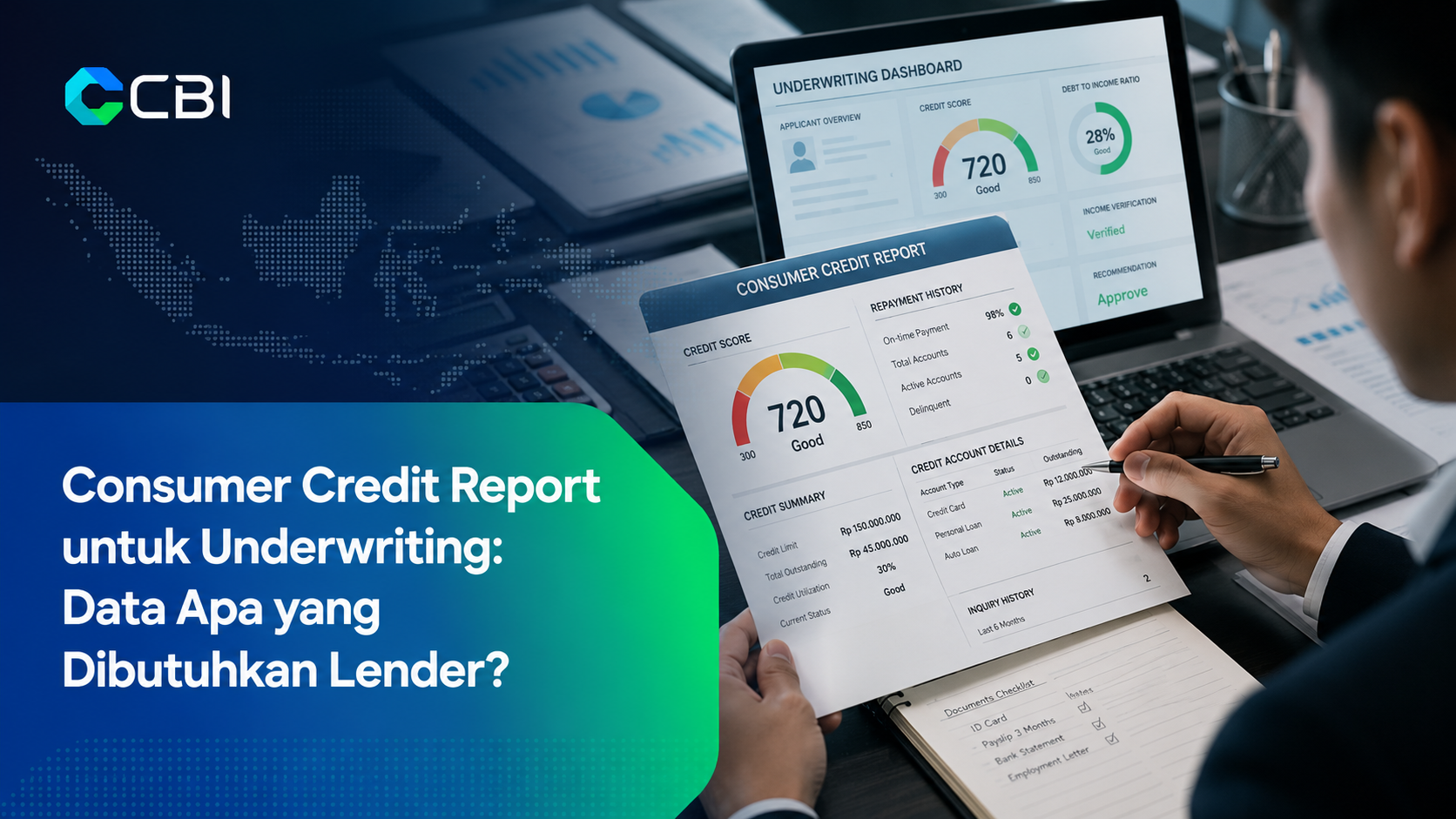
Another important factor is the business credit score. A credit score reflects the company’s payment history and creditworthiness. If an SME has a poor payment record or previous loan defaults, the chances of loan approval decrease significantly. Therefore, businesses should ensure a strong financial track record before applying for financing.
4. Collateral or Guarantee (If Required)
Certain SME loans may require collateral, such as property or vehicles. While some programs, such as government-backed SME loans (KUR), offer unsecured financing, businesses that provide collateral often receive more flexible terms and lower interest rates.
5 Steps to Applying for an SME Loan

Kredit Usaha Menengah (Source: Freepik)
Once an SME meets the above requirements, the next step is applying for a loan through the appropriate financial institution. Here are five key steps to improve the chances of loan approval:
1. Choose the Right Loan for Your Business Needs
Before applying, SMEs must determine the type of loan that suits their needs—whether for working capital, long-term investment, or business expansion. Selecting the right loan type ensures a financing structure that aligns with the company’s financial situation.
2. Prepare the Necessary Documents
The next step is gathering all required documents, including business legalities, financial reports, and a business proposal outlining how the loan will be utilized. The more comprehensive the documentation, the faster and smoother the approval process.
3. Check Credit Score and Business Eligibility
Before submitting a loan application, SMEs should evaluate their credit score. If the score is low or there are outstanding debts, it is advisable to improve the financial situation first. A good credit score leads to lower interest rates and more favorable loan terms.
4. Apply for a Loan with the Right Financial Institution
SMEs can submit loan applications to banks, cooperatives, fintech lending platforms, or government funding programs like KUR. Each institution has different policies, so businesses should compare options to find the most advantageous financing.
5. Monitor and Manage Loan Repayments
Once a loan is approved and funds are disbursed, SMEs must ensure disciplined repayment strategies. Proper financial planning and cash flow management help businesses stay financially stable and avoid repayment difficulties.
How Credit Bureau Indonesia (CBI) Helps SMEs Secure Loans
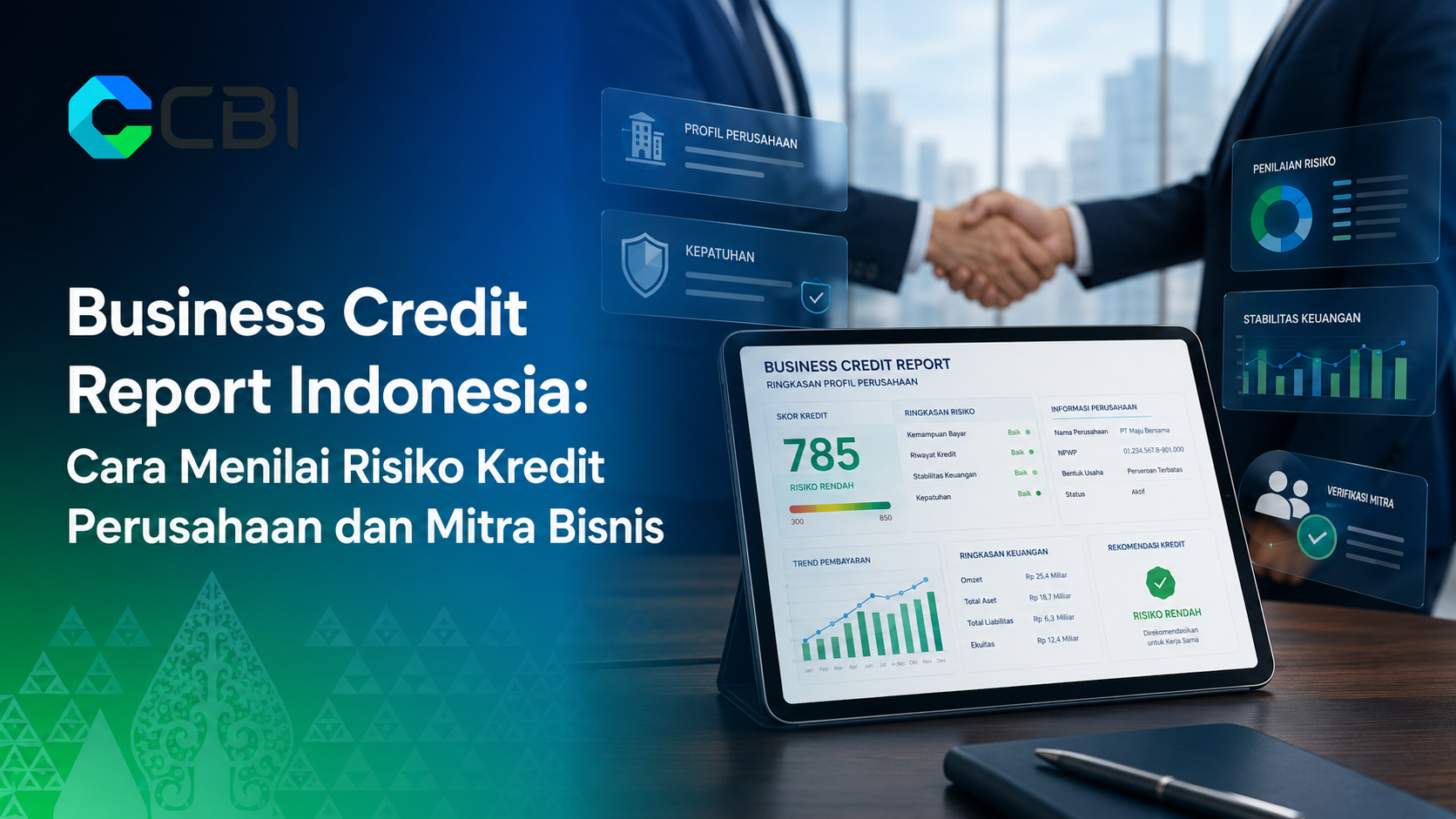
One of the biggest challenges for SMEs in applying for loans is a lack of understanding of their financial standing. Many SMEs struggle to secure financing not because their business is unviable, but because they lack financial transparency.
Credit Bureau Indonesia (CBI) helps SMEs overcome this issue. As a credit information service provider, CBI gives SMEs access to their business credit scores. By understanding their credit score beforehand, SMEs can assess their loan eligibility and take necessary steps to improve their financial health if needed.
Additionally, CBI’s services enhance SMEs’ credibility in the eyes of banks and investors. Transparent financial data allows lenders to objectively evaluate a business’s feasibility, increasing the likelihood of loan approval.
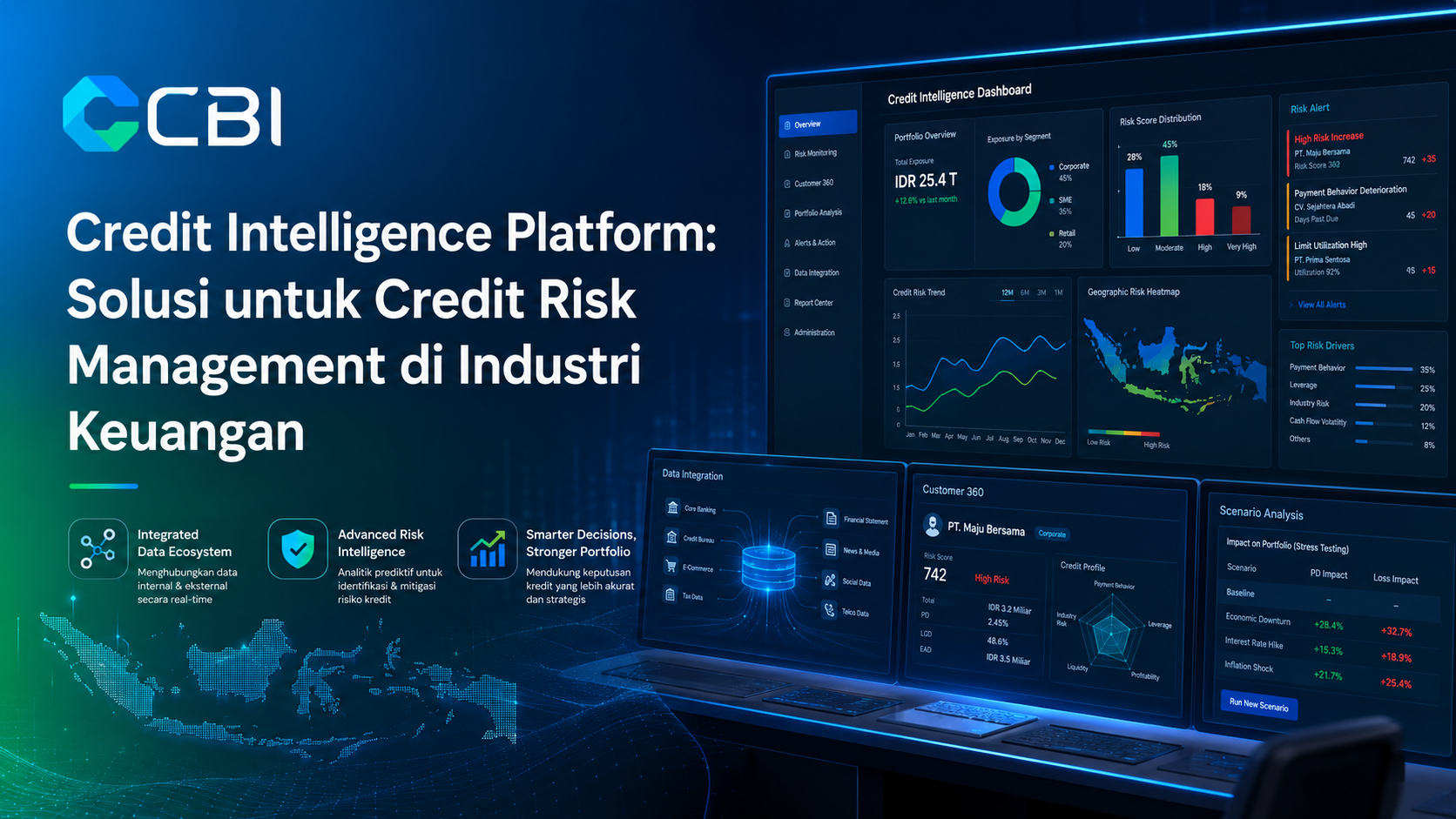
Another benefit of CBI’s services is helping SMEs monitor their credit risk. By reviewing their credit reports, businesses can avoid financial mistakes that could negatively impact their future.
SME Loans as a Growth Strategy
SME loans can be a powerful tool for business growth, but they must be used strategically. By understanding the requirements and application process, SMEs can improve their chances of securing financing on more favorable terms.
Beyond ensuring business legality and maintaining healthy financial statements, SMEs should monitor their credit scores to access loans with better terms. In this regard, Credit Bureau Indonesia (CBI) plays a vital role in helping SMEs evaluate their financial standing and enhance their credibility with lenders.
Are you ready to apply for a business loan? Ensure your SME has a strong and transparent credit score. Check your business credit report now with CBI or contact us to find the best financial solutions for your business growth