
Must Know: The 5 Levels of Credit Collectibility as Indicators of Loan Repayment Performance
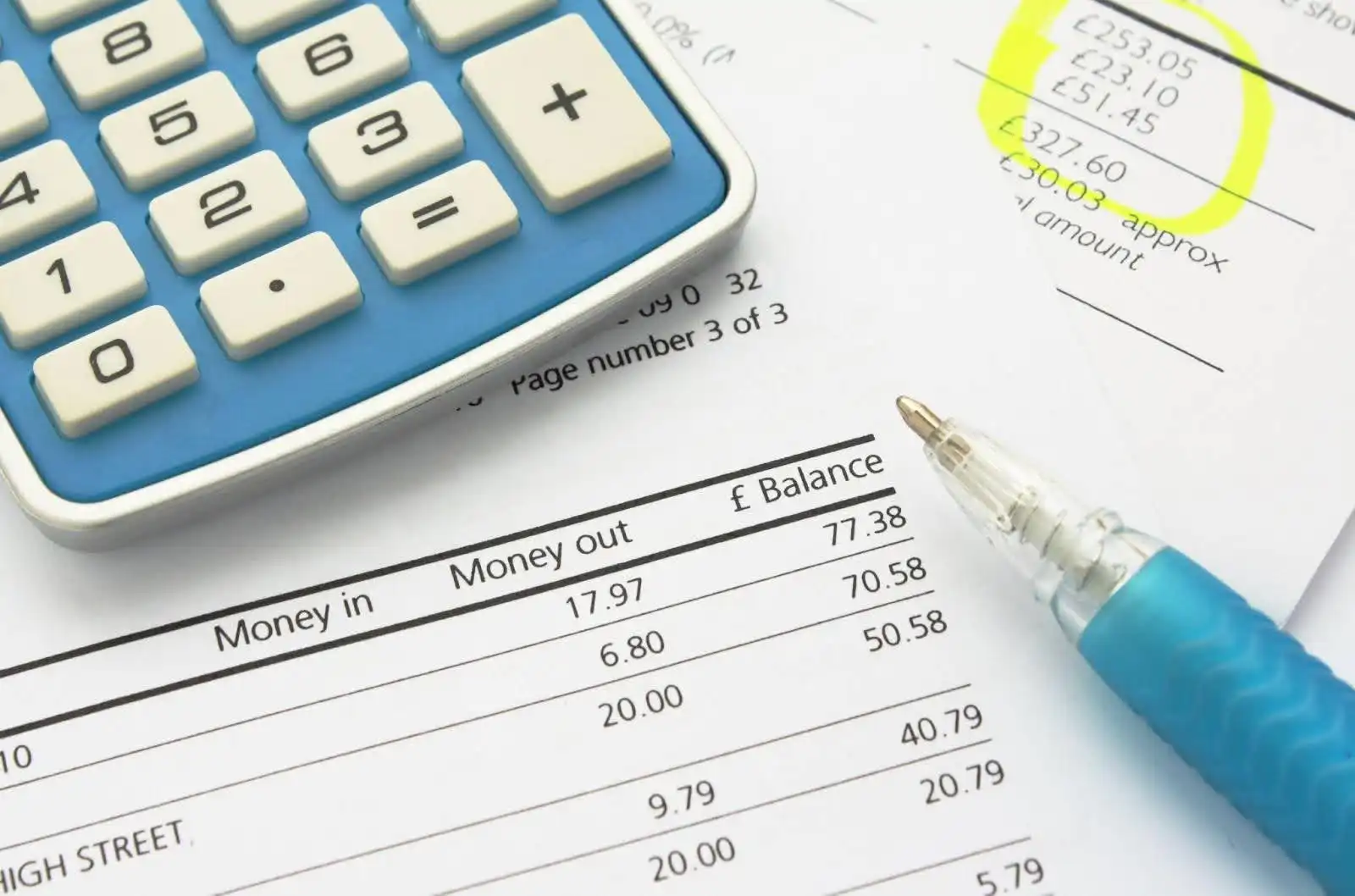
When someone applies for a loan, whether for personal, business, or other financial purposes, financial institutions such as banks or cooperatives usually conduct a credit assessment first. One of the most important aspects of this assessment is credit collectibility.
Credit collectibility reflects how well an individual or business repays their debt obligations. There are five levels of credit collectibility, and understanding each one is essential for maintaining good financial standing.
1. Collectibility 1: Current Credit
This is the highest level of credit collectibility. It indicates that payments are made on time according to the agreed schedule. Lenders consider the borrower reliable and capable of meeting their financial obligations without difficulty. If you never miss a payment, your status is in Collectibility 1 (Current Credit).
2. Collectibility 2: Special Mention Credit
This level indicates that while the borrower can still meet their obligations, there are signs of financial difficulty or a risk of delayed payment. Lenders begin monitoring the borrower’s payment behavior more closely. If your payments are delayed between 1 and 90 days, your credit is classified under Collectibility 2.
3. Collectibility 3: Substandard Credit
This level shows that the borrower is experiencing financial distress and cannot fulfill obligations according to the agreed payment schedule. While partial payments may still occur, the risk of default is considered high. If your payments are delayed between 91 and 120 days, your credit falls under Collectibility 3.
4. Collectibility 4: Doubtful Credit
At this level, the borrower faces serious financial difficulties and can no longer pay most of the debt. Lenders consider repayment unlikely and classify the loan as doubtful. If your payments are delayed between 121 and 180 days, your credit is categorized as Collectibility 4.
5. Collectibility 5: Loss Credit
This is the lowest level of credit collectibility. It indicates that the borrower is unable to make any repayments at all. The lender classifies the loan as a loss because recovery is deemed impossible. If your payments are delayed for more than 180 days, your credit falls under Collectibility 5.
Why Credit Collectibility Matters
Credit collectibility helps financial institutions such as banks and cooperatives evaluate the level of credit risk associated with each borrower. Maintaining a healthy collectibility status is crucial to building trust and accessing better financial opportunities.
Understanding these five levels can help borrowers manage their finances wisely and ensure smoother loan repayments.
Checking Your Credit Score and Collectibility
In addition to knowing your collectibility level, you should also check your credit score for a more complete view of your credit profile.
To check your company or personal credit score, you can use a trusted credit bureau service such as Credit Bureau Indonesia (CBI), formerly known as KBIJ (Kredit Biro Indonesia Jaya).
As one of Indonesia’s licensed and regulated private credit bureaus supervised by the Financial Services Authority (OJK), CBI serves as a reliable partner for both financial and non-financial institutions. CBI helps analyze borrower risk profiles, determine credit eligibility, and support sound, data-driven lending decisions.
Related Articles

How can we help?
Connect with our Business Development team and we’ll help you to find the right solutions that suitable to your business needs.